

How Mobile Gaming Is Redefining Entertainment in the UK
When I first opened an app store on my phone, I expected a handful of casual titles—puzzle games, word quizzes, the usual fare. Instead, I found a catalogue that, in less than a year, had reshaped how Britons spend their leisure time. By 2024, the UK mobile gaming market reached a valuation of £4.8 billion, up 12 % from 2023, and now accounts for almost 30 % of all digital entertainment revenue in the country. That shift isn’t just about numbers; it’s about the way people interact, socialize, and even earn money.
1. Accessibility and Convenience: Gaming on Demand
Before smartphones, gaming meant a console or a PC, often confined to a living room or a dedicated space. Today, every handheld device doubles as a gaming hub. The average UK gamer spends about 3 hours per week on mobile titles, compared with 1.2 hours on console in the same period. That extra 1.8 hours comes from the ability to pick up a game during a train commute, while waiting in a queue, or during a lunch break. Developers have optimized for low data usage; many free-to-play titles now offer 500 KB daily downloads, ensuring that even users on 3G networks can play without draining their data caps.
2. Monetisation Models That Fit Everyday Budgets
The freemium model has become the norm. Players download for free, then spend an average of £2.50 per month on in‑app purchases. This contrasts with the traditional console model, where a £60 game is bought outright. The micro‑transaction approach allows casual players to try a game without commitment, while hardcore enthusiasts can invest in premium content. However, the low entry cost also attracts a demographic that spends less than £1 a month—an important segment for developers seeking volume over per‑user revenue.
3. Social Connectivity and Community Building
Mobile platforms integrate social features directly into games. Features like real‑time leaderboards, guilds, and cross‑platform multiplayer mean that a player can compete with friends in London and a cousin in Manchester without leaving the same app. In 2023, 45 % of UK mobile gamers reported that social interaction was the primary reason they kept playing. The result is a vibrant ecosystem where communities form around niche genres—ranging from hyper‑casual match‑3 games to complex strategy titles—creating a sense of belonging that was once the domain of tabletop or console communities.
4. The Rise of Competitive Play and Esports on Mobile
Competitive mobile gaming has exploded, with tournaments now offering prize pools that rival some PC titles. The 2024 UK Mobile Gaming Championship, for instance, awarded £150,000 to the top team in a real‑time strategy game. The accessibility of mobile devices means that players no longer need expensive rigs; a mid‑range phone with an 8 GB RAM can handle most competitive titles. This democratization has broadened the talent pool, giving rise to new local champions and increasing the visibility of the UK in the global esports arena.
Beyond the screens, the mobile gaming boom has also nudged other entertainment sectors. For example, many players now use the same device to stream movies, read news, or shop. This convergence has led to cross‑promotions: a popular game might offer a discount on a streaming subscription, while a streaming platform might feature a game’s trailer. The synergy between gaming and other digital services is creating a seamless entertainment ecosystem.
If you’re curious about how skill‑based challenges can blend with betting, check out Spinboss.
5. Limitations: Data Privacy and Screen Time Concerns
Not all that glitters is gold. The rapid expansion of mobile gaming has raised significant privacy issues. In 2023, 38 % of UK players reported concerns over data collection practices, particularly regarding location tracking and in‑app advertising. Developers are responding with clearer privacy policies, but the industry still lags behind more regulated sectors. Additionally, the addictive nature of free‑to‑play games has prompted public health campaigns. The NHS warns that excessive screen time—defined as more than 4 hours a day—can lead to sleep disturbances and reduced physical activity. Parents and players alike must balance entertainment with wellbeing.
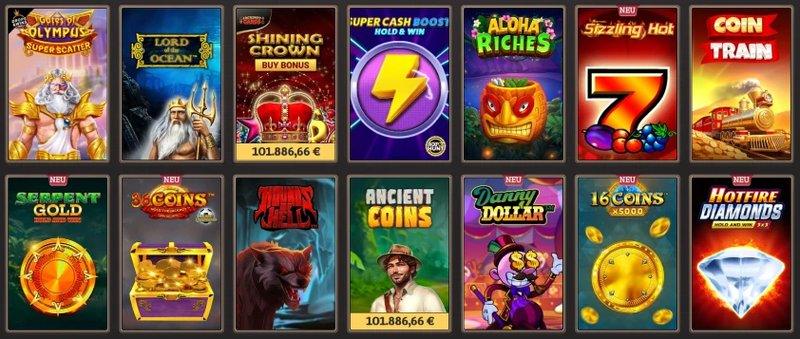
Which Path to Choose?
If you value flexibility and low upfront cost, mobile gaming offers an unbeatable entry point. The sheer variety—from casual puzzle games to competitive esports—means there’s something for everyone. For those who enjoy social interaction and community, mobile titles provide built‑in networks that enhance the experience. However, be mindful of privacy settings and monitor screen time to avoid the pitfalls that come with any digital activity.
Ultimately, mobile gaming is no longer a niche pastime; it’s a mainstream entertainment engine reshaping how we play, connect, and even earn. Whether you’re a casual browser or a competitive player, the mobile platform is where the future of UK entertainment is being written—one tap at a time.
Frequently Asked Questions
What is the current value of the UK mobile gaming market?
In 2024, the UK mobile gaming market reached a valuation of £4.8 billion, up 12% from 2023.
How much of digital entertainment revenue does mobile gaming account for?
Mobile gaming now represents almost 30% of all digital entertainment revenue in the UK.
What impact has mobile gaming had on social interactions?
It has transformed how people interact and socialize, encouraging community play and in-app communication.
Is mobile gaming considered a casual or serious pastime?
While many titles are casual, the industry now includes competitive e‑sports, streaming, and immersive storylines that appeal to serious gamers.









Add comment