

How to Choose a Low-Deposit Casino in Australia
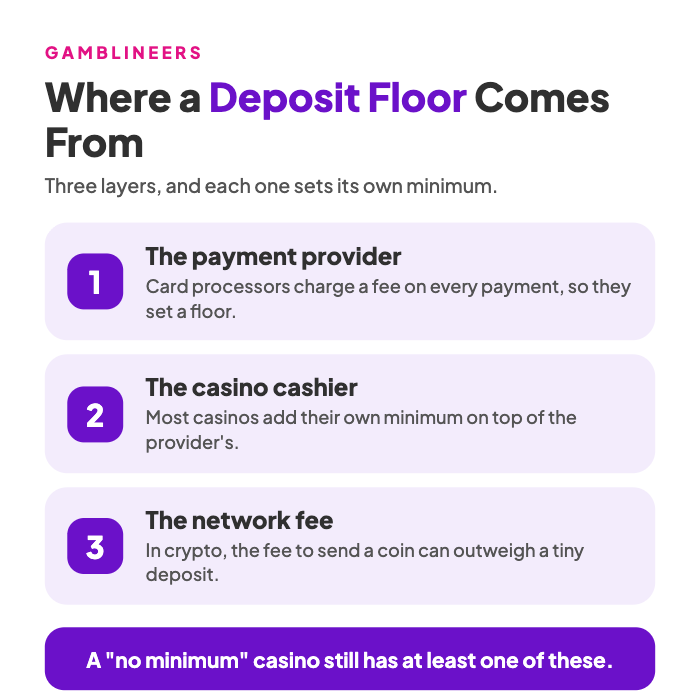
A low opening deposit can make online casino play feel more manageable, but the smallest figure is not automatically the best option. When comparing a 10 min deposit casino, look beyond the advertised entry amount and examine payment costs, withdrawal rules, identity checks, game terms and spending controls. The aim is to understand what you are agreeing to before transferring money, rather than treating a low deposit as a reason to gamble more often or for longer.
What does a minimum deposit actually cover?

A minimum deposit is the smallest amount an operator allows you to transfer into a casino account in one transaction. It is not the same as a minimum stake, and it does not usually determine how much you must spend on games. For example, a site may accept a small initial deposit while allowing bets that vary widely according to the game, table or selected denomination.
The advertised amount may also apply only to a particular payment method. Card deposits, bank transfers, digital wallets and other options can have different minimums because each provider uses its own processing arrangements. A low minimum shown beside one method may not be available for another. Check the cashier or payment terms before registering, particularly if you prefer a specific method for record-keeping or security.
There can be a practical difference between the first deposit and later deposits. Some operators set one threshold for opening an account and another for subsequent transactions, while promotional terms may impose separate conditions. Read the wording carefully and look for fees, currency conversion, pending periods and any requirement to verify your identity before funds can be withdrawn. The deposit figure is only one part of the account’s financial terms.
How can you compare the real cost?
Start by writing down the amount you are genuinely prepared to lose, not the amount the cashier permits you to deposit. A low threshold can be useful for testing whether the payment process works, but it should not be used to justify repeated top-ups. Set a total session or weekly limit before opening a game, and treat that limit as fixed even if the balance changes.
Next, compare the costs that sit around the deposit. Possible considerations include payment fees, exchange-rate margins, inactivity charges and withdrawal fees. These are not universal, so they must be confirmed in the operator’s published terms. A small deposit can become poor value if several transfers are needed to fund normal play or if a payment provider applies a charge that is not obvious at the point of checkout.
Promotions require particular care. A bonus may attach wagering, expiry, game contribution or maximum-bet conditions to funds received. Those rules can affect whether a withdrawal is available and how quickly the balance can be released. If the terms are difficult to understand, decline the offer and assess the account using cash funds only. Clear conditions are more valuable than a larger advertised reward.
Which checks should happen before you pay?
Confirm who operates the website, where the business is based and which regulator, if any, is responsible for its services. Do not assume that an Australian audience means every gambling product is authorised for use in Australia. Availability, legal status and consumer protections can vary according to the operator, product and the user’s location.
Read the account, privacy, payment and withdrawal policies before making a deposit. Look for explanations of identity verification, accepted documents, processing times, dormant accounts and dispute procedures. A legitimate process may require personal information, but the operator should explain why it is collected and how it is handled. Avoid transferring money when ownership or customer support details are vague.
Security checks matter as much as price. Use a unique password, enable available account protection and avoid saving payment details on a shared device. Keep confirmation emails and transaction records so you can reconcile deposits and withdrawals. For independent information about gambling-related risks and support options, consult the Australian Government’s gambling and health information.
How should payment and withdrawal rules influence your choice?
Choose a payment method that gives you a clear record of each transaction and suits your own security practices. Before depositing, check whether the account name must match the payment account, whether third-party payments are prohibited and whether the method can also receive withdrawals. These requirements commonly affect processing, even when a deposit is accepted immediately.
Withdrawal rules deserve more attention than deposit speed. Check minimum withdrawal amounts, identity checks, pending reviews, transaction limits and whether winnings must return through the original payment route. A fast deposit does not guarantee a fast withdrawal. If a policy uses broad language such as “additional verification may be required”, understand that the operator may request documents before releasing funds.
Keep deposits separate from everyday spending money. A dedicated account or payment method can make transactions easier to monitor, but it should not be used to bypass bank controls or spending limits. Review statements regularly and stop if the records do not match your activity. Never send more money simply because a withdrawal is delayed or because support says another payment is needed to unlock funds without clear contractual grounds.
When is a low deposit the wrong priority?
The smallest possible deposit may be unhelpful if it encourages frequent redeposits. For instance, someone who intends to spend $20 in a session could make four small deposits and lose track of the total more easily than with one planned transaction. A deposit limit is therefore useful only when combined with a clear time limit, game budget and decision to stop.
Consider how gambling fits alongside rent, bills, savings, food and other commitments. It should be discretionary entertainment, never a method for recovering losses or meeting financial obligations. Avoid playing when tired, distressed, intoxicated or under pressure. Taking a break after a loss is not a strategy for changing the odds; it is a way to prevent an emotional decision from becoming a larger financial one.
Before opening an account, decide what warning signs will end the session: chasing losses, hiding transactions, borrowing money, neglecting responsibilities or feeling unable to stop. Use deposit limits, cooling-off tools or self-exclusion where available. If gambling is becoming difficult to control, speak with a qualified support service or health professional rather than trying to solve the problem through another deposit.
Questions Australian players often ask
Is a low minimum deposit safer?
Not by itself. A small entry amount limits one transaction, but it does not prevent repeated deposits, extended sessions or loss chasing. Safety depends on the operator’s terms, your spending controls, payment security and willingness to stop. Treat the minimum as a transaction condition, not as a recommended gambling budget.
Can a casino change its minimum deposit?
It may apply different thresholds to different payment methods, account types or transaction periods. Operators can also update terms, subject to applicable requirements. Check the current cashier information and written conditions before each deposit. Keep a record if the amount shown at checkout differs from the published payment page.
What should I do if a withdrawal is delayed?
Review the withdrawal policy, confirm whether identity documents are outstanding and contact support through the operator’s recorded channels. Do not make another deposit merely to speed up release. Save messages and transaction details. If the response remains unclear, seek independent consumer or gambling-support guidance and consider closing or restricting the account.